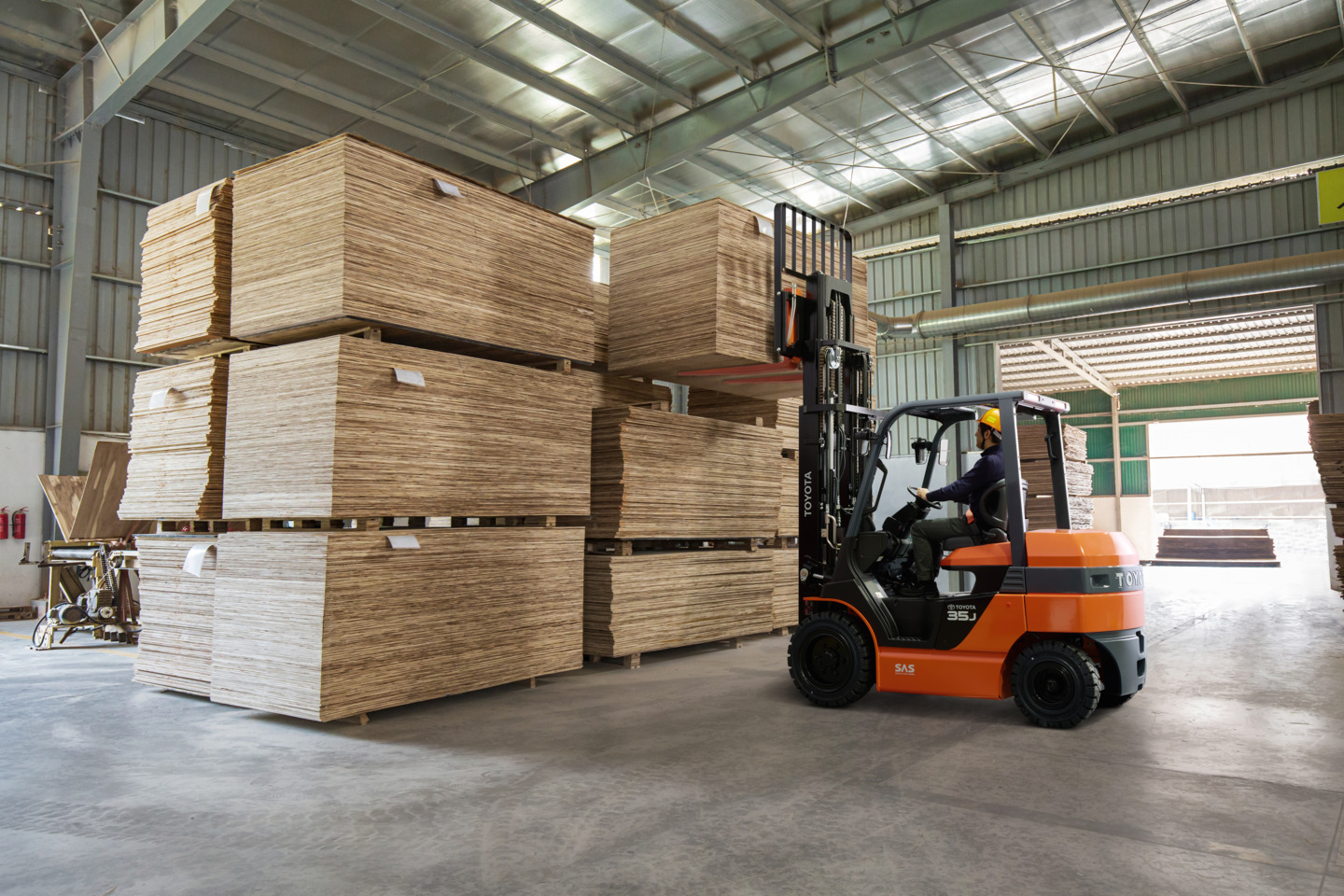
Switching to an electric forklift is an investment that enhances both the safety and efficiency of your warehouse. Known for their zero-pollution operation and low noise levels, electric forklifts are ideal for specialized environments such as food & beverage, cold storage, and other indoor operation. Beyond environmental benefits, it significantly cuts energy expenses, resulting in reduced downtime and long-term savings. When choosing an electric forklift, a purchasing decision should evaluate key operational factors: the maximum load capacity required, the width of the aisles, the battery type that aligns with operational shifts, and daily usage requirements. It is also important to consider the availability of after-sales service and technical support. This ensures you get an electric forklift that can improve productivity, optimize warehouse operations, and maximize your return on investment with your business goals.
In warehouse management and logistics, the machinery that serves as the "Key" driving the business forward is undoubtedly the forklift. For business owners planning to invest, understanding what a forklift is and how many types of forklifts are available is an important first step that will help you save costs and maximize operational efficiency.
What is a forklift?
A forklift is an industrial machine used for lifting, moving, and stacking heavy goods or products placed on pallets. It features a lifting fork protruding from the front to support the weight. Forklifts are designed to reduce human labor, improve operational efficiency, and enhance safety in warehouse management and logistics operations.
How many types of forklifts?
Based on their power source, forklifts can be classified into two types, each designed to solve different on-site operational challenges:
- Internal Combustion Forklifts (IC Forklifts): Powered by diesel, gasoline, or LPG gas. They are powerful, weather-resistant, and suitable for spacious outdoor yards or heavy-duty outdoor applications.
- Electric Forklifts: Powered by batteries. They are environmentally friendly and completely emission-free, making them ideal for indoor operations. Today, they are rapidly becoming the number one choice for modern businesses.
What is an electric forklift? An innovation for sustainability
What is an electric forklift? A material handling vehicle powered by an electric motor and battery instead of an internal combustion engine. The highlight of this system is its zero-pollution and low-noise operation, making the operation environment cleaner and safer for operators that help reduce energy costs, making them a preferred choice for modern warehouses and sustainable business operations.
What system does an electric forklift operate on and what are its components?
The precision and stability of an electric forklift stem from its advanced engineering structure, which includes:
- AC Motor (Alternating Current Motor): Responsible for driving the vehicle and powering the hydraulic lifting system. It provides high torque with low energy consumption, reducing maintenance hassles.
- Battery: The energy storage source. Options include Lead-Acid batteries for general use and Lithium-ion batteries that support fast charging for continuous 24-hour operations.
- Intelligent Controller: The central computer that regulates power distribution, ensuring smooth acceleration and braking.
- Safety Technology: In Toyota forklifts, the SAS (System of Active Stability) comes installed as a standard feature to control the vehicle's stability and prevent tipping over.
What types of applications can an electric forklift be operated on?
- Food, Beverage, Pharmaceutical and Healthcare Industries: Sectors with strict hygiene regulations (GMP/HACCP) where exhaust fumes or soot are strictly prohibited.
- Cold Storage Warehouses: Electric systems do not generate accumulated heat that could affect the temperature control.
- Narrow Aisle Warehouses: Electric forklifts offer specialized options like Reach Trucks designed for tight spaces or exceptionally sharp turning radiuses, helping businesses utilize vertical storage space more cost-effectively.

How to Choose an Electric Forklift for the Best Value and Perfect Fit
To choose an electric forklift effectively, you should consider four primary factors:
- Lift Capacity and Height: You must know the maximum weight of your goods and the highest level of your racking system to select the appropriate specification and mast type.
- Operational Space: Check the width of your aisles to determine whether you should use a standard counterbalanced sit-down model or a Reach Truck, which has a narrower turning radius.
- Daily Operating Hours : If your operations run continuously across two or more shifts, you should choose a Lithium-ion battery that supports fast/opportunity charging.
- After-Sales Service and Spare Parts: Selecting a reliable brand like Toyota ensures your business will always run smoothly, backed by a team of professional technicians.
Transitioning your logistics system to electric power is a key step forward, enabling your business to manage operational costs effectively and minimize machine downtime. To ensure this decision yields the highest benefits, Toyota Material Handling Thailand—as a leading electric forklift distributor—is ready to provide in-depth consultations by our team of experts. We will help you analyze all aspects of your data, including spatial constraints and operational shift cycles. Contact us today for advice and an action plan that will truly create a sustainable competitive advantage for your business.
Contact us for a quotation at:
- Phone : 02-4949-155
- Email : Info@tmhth.toyota-industries.com
ข้อมูลอ้างอิง :
- Five major benefits of electric forklifts trucks. สืบค้นวันที่ 8 พฤษภาคม https://blog.toyota-forklifts.co.uk/five-major-benefits-of-electric-forklifts-trucks
Frequently Asked Questions About Electric Forklifts (FAQs)
Q : What are the differences in operational highlights between IC engine forklifts and electric forklifts?
A : The primary difference lies in the operating environment. Internal combustion forklifts excel in rugged conditions and are weather-resistant, making them ideal for spacious outdoor yards or uneven surfaces. On the other hand, electric forklifts are designed for zero-emission and low-noise operations, making them the absolute best choice for indoor use or environments that demand high cleanliness.
Q : Why are electric forklifts primary requirements for the food industry and cold storage warehouses?
A : Because these industries have stringent hygiene standards. Electric forklifts have the advantage of zero combustion, meaning they produce no soot, heat build-up, or accumulated pollution. This not only prevents product contamination in accordance with GMP/HACCP standards but also helps maintain a constant temperature inside cold storage units.
Q : If a warehouse has very narrow aisles between storage racks, how should this issue be solved?
A : During the operational space evaluation step, if you find that your aisle width is limited, the most appropriate solution is to consider a Reach Truck or models specifically designed for Very Narrow Aisles (VNA). Because they have a tighter turning radius than standard sit-down forklifts, they allow operators to maneuver efficiently and make full use of vertical storage space.
Q : How does the SAS safety system in Toyota assist operators?
A : The SAS (System of Active Stability) is a safety technology that works in tandem with the vehicle's intelligent controller. Sensors continuously process data to maintain stability, preventing the forklift from tipping over while cornering. It also automatically adjusts the mast tilt angle when lifting loads at high elevations, allowing operators to work with greater confidence and safety.